There are Two Provincetowns
by Michela Davenport Murphy
There is the Provincetown most people know. The harbor, the boats, the rush of Commercial Street in July, the first jump off the pier when the water finally warms. And then there is the one just beyond reach that you cannot see from the road.
As my family would pass East Harbor, my mother would point toward the dunes and tell us about the shacks hidden just out of sight. Writers and painters working by candlelight. Bathing in the Atlantic. A life that reminded her of growing up in rural Ireland. She spoke about it with a kind of longing. The dunes existed, but they weren’t a part of me. Not yet.
Some years later, I was spending a night in Frenchie’s, the shack that celebrated artist and restaurateur, Sal Del Deo had stewarded for decades. That was the night everything shifted. There is a kind of silence in the dunes that is not empty, but full. You can feel everything beneath your feet.
The Wampanoag and Nauset people hunted and fished along the shore. The lifesavers who rode out on horseback to ships that had wrecked on the outer bar. The writers and artists who came there seeking something they could not find anywhere else. The families who taught their children to tell time by the tides.
It felt ancient. Like standing on the Hill of Tara (the ancient seat of the High Kings of Ireland), something alive just beneath the surface. And then, slowly, I began to understand how precarious it all is.
When the Cape Cod National Seashore (CCNS) was created in 1961, it was meant to preserve not just land, but a way of life. But the dune shacks, lacking electricity and plumbing, were not considered “improved properties” and were excluded from those protections. The very people who had advocated for the creation of the park suddenly found themselves fighting to remain within it. What followed was decades of uncertainty.
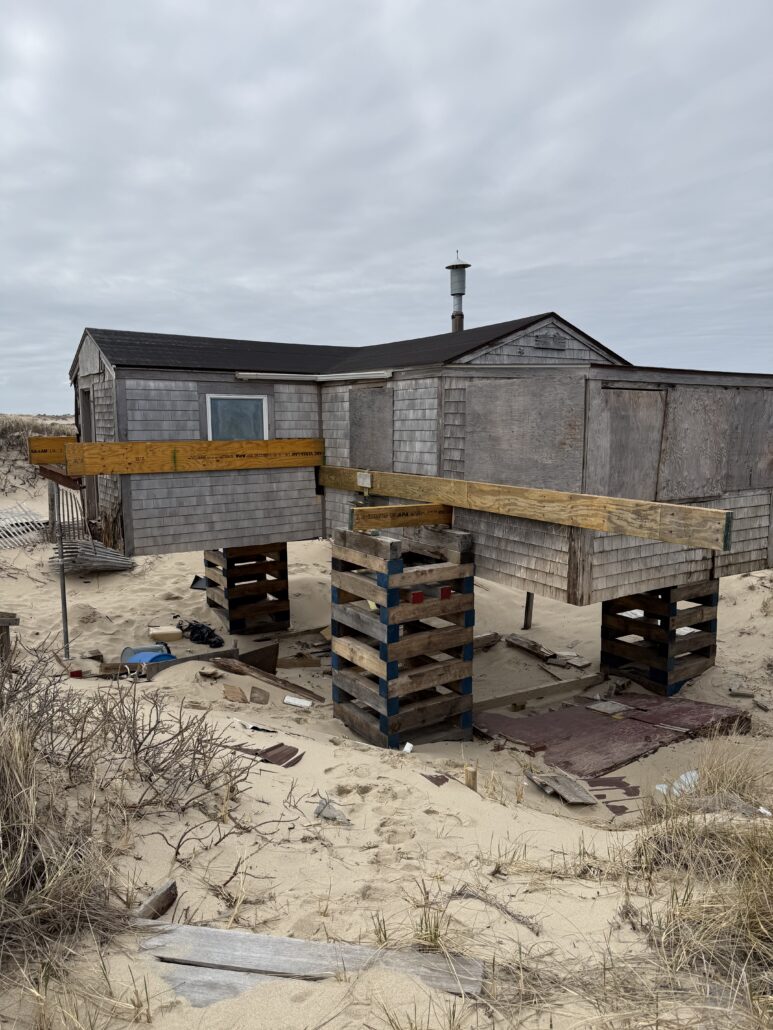
Some families were granted lifetime leases. Others were left with annual permits, renewed annually with no guarantee. The responsibility for maintaining the shacks, digging out doors and windows, repairing roofs, and holding back the sand fell entirely on the occupants, despite having no real security in their tenure.
In 1989, the shacks were listed on the National Register, recognized for their cultural significance, though not fully protected in practice. And still, the people stayed. They maintained the shacks, raised families in them, and kept something alive that was never meant, in the eyes of the “system,” to survive.
By 2022, after years of waiting, dune dwellers were told that long-term leases that adhered to the Land Use Agreement, created out of the 2004 ethnographic studies commissioned by the park, would finally be offered. Instead, a standard Request for Proposals was released. It was stripped of cultural context, focused on market value, and open to the public. Generational homes were suddenly positioned as opportunities. People were invited to walk through them, to inspect them, and to imagine what they might change.
Marble countertops, someone asked….in the dunes.
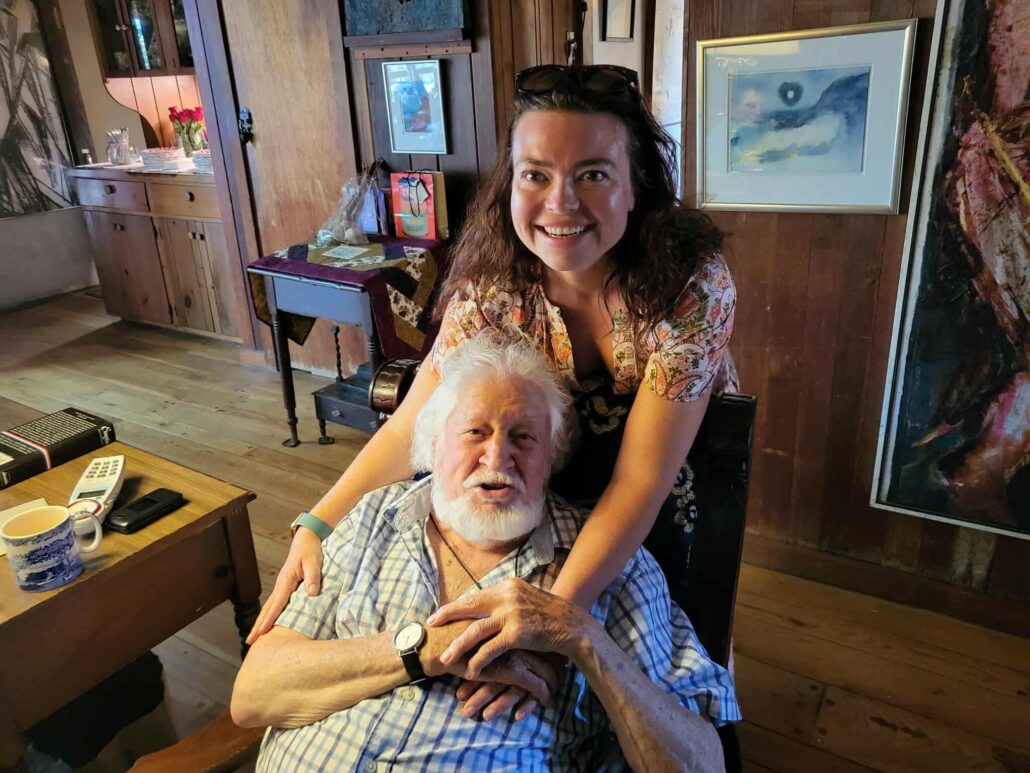
At the same time, Sal, who had maintained Frenchie’s for decades, was served an eviction notice at age 94. I remember sitting at his table as he told stories about building the shack with friends in the 1970s, about Josephine, about the life they created there. Her jacket still hangs inside, moving with the breeze like a quiet presence. To lose that space would not just have been to lose a home. It would have been to lose her all over again. Sal’s story is only one of many.
There is Mildred Champlin, who first came to the dunes in the 1940s and still returns each summer, her knowledge deeper than any book. The Tasha family, whose connection to the dunes traces back to Harry Kemp, the poet of the dunes, and whose advocacy has helped hold the community together through decades of uncertainty.
These are not just tenants. They are keepers of something that cannot be recreated. Today, only 19 shacks remain. Some are still held by families connected to the original dwellers. Others are cared for by organizations like the Peaked Hill Trust and the Provincetown Community Compact, who open them to artists and writers willing to live, even briefly, without modern conveniences.
Long before these organizations existed, dune dwellers opened their doors to artists and writers, and without them, we may never have read the words of Jack Kerouac, Tennessee Williams, Eugene O’Neill, or seen some of the masterpieces created by Jackson Pollock or Willem de Kooning. Before the CCNS protected piping plovers or studied birds’ migratory patterns, dune dwellers kept notebooks full of observations. They created the blueprints for some of the most vital traditions we have in Provincetown.
But what exists now survives because people chose to protect it. Often without certainty and at great personal cost. The dunes do not belong to any one person. That is part of their power. But what exists out there is not just landscape. It is memory, knowledge, and a way of life carried quietly from one generation to the next. And if that disappears, it does not come back in another form. It disappears with the people who carried it.
Michela Murphy Davenport’s family has owned the historic Italian restaurant Sal’s Place since 2016. Michela is recognized for her active support of the local community, including her involvement in the MacMillian Pier Commission and the Portuguese Festival, and her roles as Vice Chair of the Historic District Commission, Chair of the Harbor Committee, and Chair of the Coastal Resilience Advisory Board.
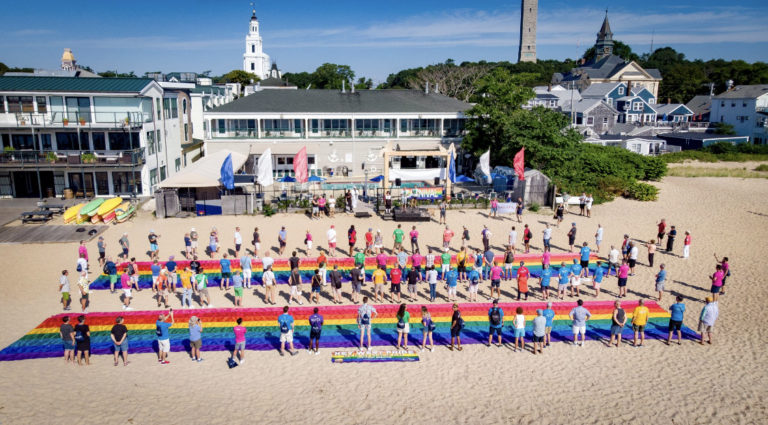
Photos courtesy of Michela / Photo by Nate Winkler, of Arthur Reis Landscaping and Winkler Crane and Construction, who recently helped to lift two dune shacks and are on track to lift two more by the end of the summer.